- 01 December 2025 09:15
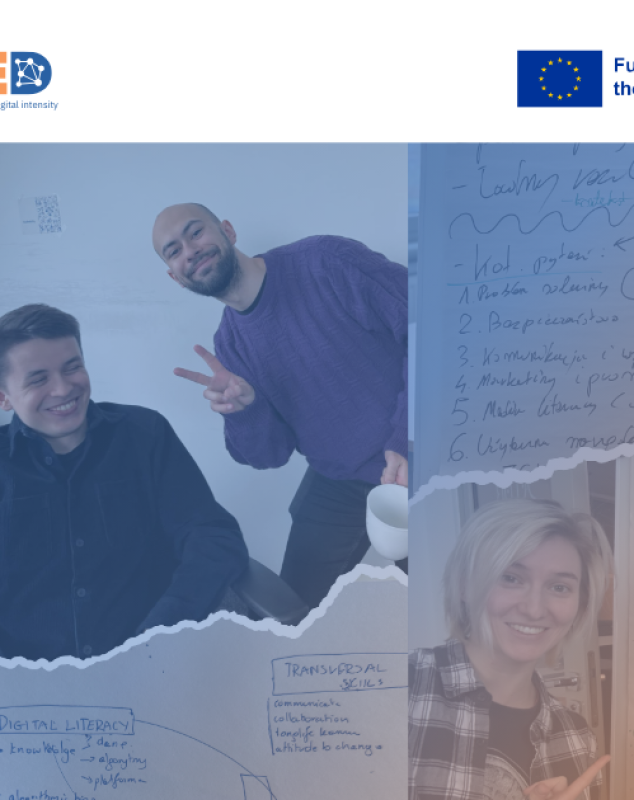
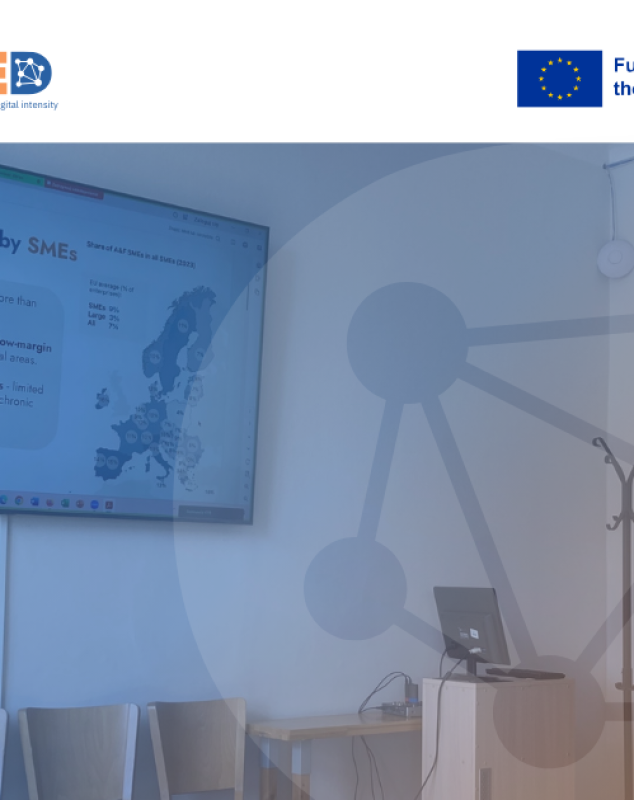
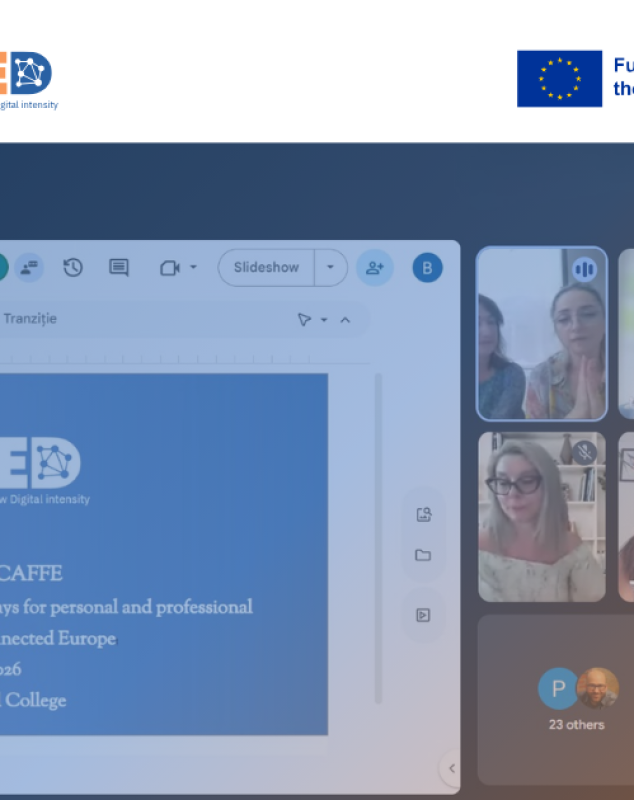
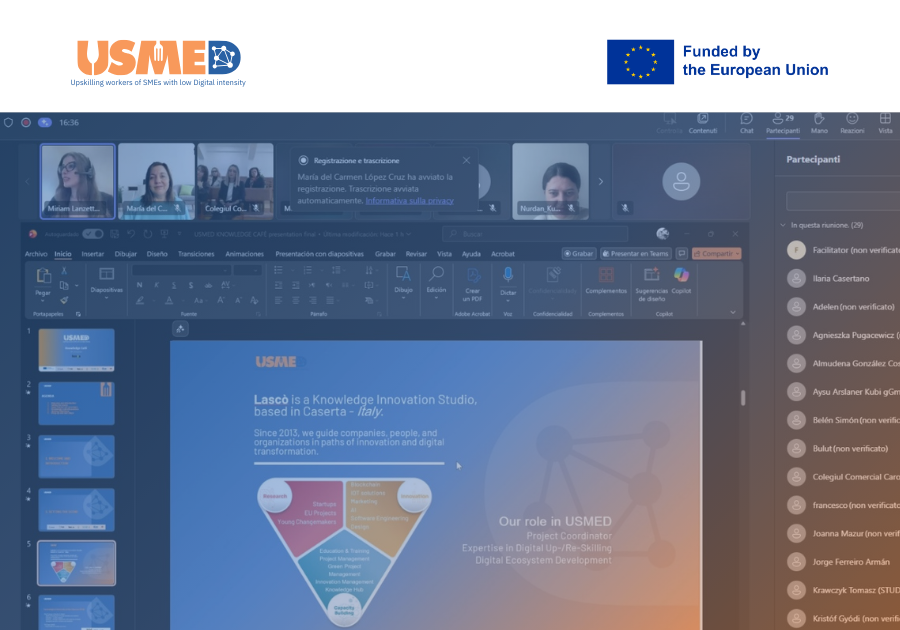
The USMED Knowledge Café brought together international partners, educators, and practitioners to explore digital-skills needs and practical upskilling strategies for workers in SMEs with low digital intensity in the accommodation and food sector. Hosted online on 28 November 2025 by FEMXA - the Spanish partner of the project, the session served as a collaborative dialogue space within the Erasmus+ funded project “Upskilling workers of SMEs with low Digital Intensity,” coordinated by Lascò, the Knowledge Innovation Studio based in Caserta, Italy.
Objectives
The event had four primary objectives:
-
To identify real-world digital skills gaps among SMEs operating with low digital intensity in the accommodation and food sector.
-
To support VET and CVET providers in understanding the competencies required for effective digital upskilling, aligned with sector-specific technological demands.
-
To promote cooperation among educational institutions and training providers across Europe.
-
To formally launch the project’s Open Call for high-quality Open Educational Resources (OERs) that can support tailored digital learning pathways for SMEs.
Participants
A total of 33 participants joined the online café, representing diverse institutional and professional backgrounds. Key stakeholders included: the project coordinator Lascò; the Irish higher-education partner Technological University of the Shannon (TUS), esponsible for quality assurance; the sectoral partner TAFED – Turkish Chefs Federation, leading dissemination, communication, and SME engagement; the Polish partner DeLAB, University of Warsaw, contributing methodological research and digital self-assessment framework development; the Romanian vocational partner Colegiul Comercial Carol I, a secondary VET school partnering with hotels and restaurants for frontline training and digital reviews analysis; the German education NGO KUBI in Frankfurt, founded by Turkish and German partners and focused on supporting migrants and disadvantaged youth; and youth-work practitioners and trainers from across project partner countries as well as individuals having interest in digital transformation, VET training, and Erasmus+ KA2 projects.
Flow of the Knowledge Café
The café followed a structured and open participatory methodology inspired by non-formal learning practices. The main stages included:
-
Welcome and Scene Setting: The session opened with introductions from the coordinator and project partners. Each institution presented its background, mission, and specific role in the USMED project. This highlighted sectoral expertise in digital transformation, technology-enhanced learning, vocational training for NEET youth, and inclusive practices.
-
Framing Digital Needs: Partners summarized their ongoing research into digital intensity levels across sectors and explained the design of the Digital Skills Assessment Tools (DSAT), which informed the structure of future OER collection and training pathways.
-
Open Dialogue and Practice Sharing: Participants engaged in café-style discussions, reflecting on digital limitations faced by SMEs. Key insights included the predominant reliance on income-based success measures, limited data collection skills, widespread analog processes such as paper-based orders, and significant language barriers within migrant workforce communities.
-
Showcasing Micro-Learning Examples: The Romanian partners demonstrated short, time-efficient learning games and quizzes created for hospitality workers, including pre-arrival email decision-making tasks and true/false digital communication scenarios. These practical examples illustrated how gamification can support confidence, customer satisfaction, and fast learning without disrupting workplace flow.
-
Sharing Reflections and Wrap-up: Participants provided feedback on the relevance and usability of digital tools such as Google Sheets for reviews monitoring and sentiment analysis, cloud reservation systems, and gamified learning formats.
Outcomes
The knowledge café generated four key outcomes:
-
Increased Awareness of Digital-Skill Realities: The session validated that SMEs with low digital intensity face structural digital competences gaps. Partners agreed that tools must be fast, accessible, scalable, and translated into national languages to be effective.
-
Cross-European Training Cooperation Strengthened: Dialogue between universities, VET institutions, and NGOs reinforced the importance of shared frameworks for digital proficiency, guiding future collaborative work on DSAT and OER cataloguing.
-
Open Call Launched and Clarified: The café successfully introduced eligibility, timelines, and topic areas for the Open Call, targeting at least 10 OER submissions by 15 December 2025.
-
Commitment to Tailored Learning Pathways: Based on observed needs, the partnership endorsed designing tiered digital learning pathways (foundation, intermediate, advanced) informed by DSAT results, integrating real vocational tools including review analysis sheets, POS systems, cybersecurity awareness, and cloud workspace usage.
USMED Knowledge Café concluded as a critical milestone in shaping a sustainable, inclusive VET community for the Food & Accommodation sector, prioritizing real-world relevance and collaborative digital transformation through open learning resources.
Share contents
Would you like to receive more information and follow all the results of the project?