- 02 November 2025 20:00
The Erasmus+ project USMED – Upskilling Workers of SMEs with Low Digital Intensity has entered a new phase dedicated to the creation of high-quality digital learning resources for the Accommodation & Food (A&F) sector. With the launch of Work Package 4 (WP4): Learning Experiences Catalogue, the consortium is now translating the results of its extensive research into practical, accessible, and role-sensitive training opportunities for workers, managers, students, and teachers.
Building on evidence: digital skills gaps confirmed across the sector
Earlier this year, the consortium completed a comprehensive transnational research process, combining data analysis, focus groups, job advertisement mining, and literature review. Led by the University of Warsaw’s Digital Economy Lab (DELab), the findings revealed that many SMEs in the A&F sector continue to struggle with digitalisation, particularly in areas such as digital customer management, cybersecurity, data protection, online content creation, and the integration of digital tools in teaching and training.
These insights have informed the development of the project’s Methodological Framework and of the newly launched Digital Skills Assessment Tool (DSAT) — a mobile-accessible, role-based self-assessment system built on DigComp 2.2. DSAT distinguishes between workers, managers, students, and teachers, allowing individuals to evaluate their digital competencies through practical, sector-specific scenarios.
Progress on the Learning Experiences Catalogue
WP4, coordinated by FEMXA Formación (Spain), is now shaping the backbone of USMED’s training offer. The consortium has completed the design phase of the Learning Experiences Catalogue, establishing:
-
A unified structure for micro-learning experiences
-
Standardised templates and quality criteria for Open Educational Resources (OERs)
-
A classification system aligned with DSAT results
-
Guidance for the creation of six Tailored Learning Pathways (foundation, intermediate, advanced)
Partners are currently developing Open Educational Resources (OERs), while preparations for an Open Call targeting IVET and CVET providers are underway. This call will invite external organisations across Europe to contribute additional high-quality OERs, enriching the Catalogue with at least 10 further resources.
Engaging stakeholders through the Knowledge Café
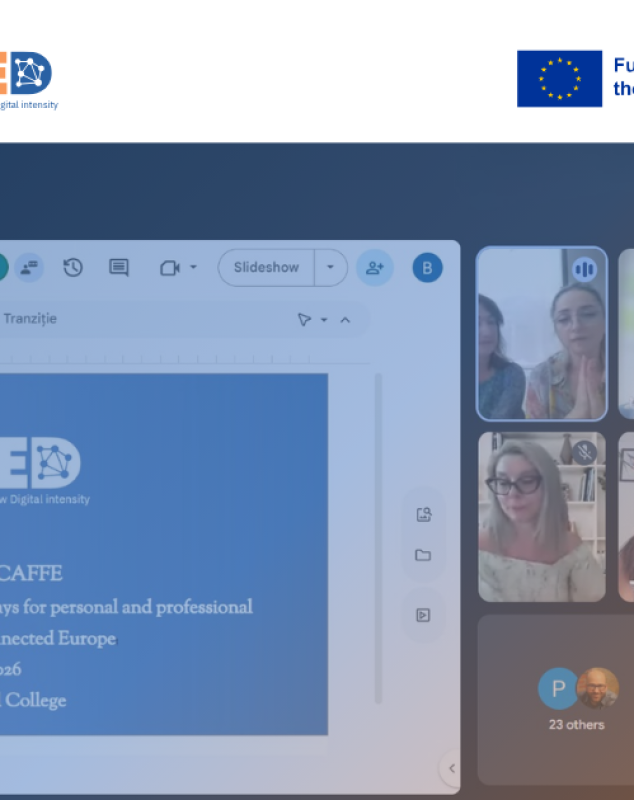
To ensure the Catalogue responds to real needs, the consortium is preparing a Knowledge Café that will gather trainers, MSME representatives, and sector stakeholders. The event will serve as a validation space to review the Catalogue’s structure and emerging content themes, reinforcing the project’s commitment to co-creation and relevance.
Next Steps
In the coming months, USMED will focus on:
-
Finalising and reviewing OERs developed by partners
-
Launching the Open Call for external contributions
-
Designing and piloting the first Learning Pathways
-
Integrating the Catalogue into the project’s e-learning platform under Work Package 5
About USMED
USMED is a 32-month Erasmus+ KA220-VET project coordinated by Lascò (Italy) and implemented with partners from Spain, Romania, Ireland, Germany, Türkiye, and Poland. The project aims to strengthen digital skills of workers and future professionals in micro and small enterprises in the A&F sector by developing tailored training pathways, innovative OERs, and a digital infrastructure supporting Europass Digital Credentials.
Contens
- Building on evidence: digital skills gaps confirmed across the sector
- Progress on the Learning Experiences Catalogue
- Engaging stakeholders through the Knowledge Café
- Next Steps
- About USMED
Share contents
Would you like to receive more information and follow all the results of the project?