- 29 September 2026 09:30
With 62 learning resources and six tailored pathways developed, the Erasmus+ project is preparing its digital platform and recruiting learners and VET providers for pilot testing.
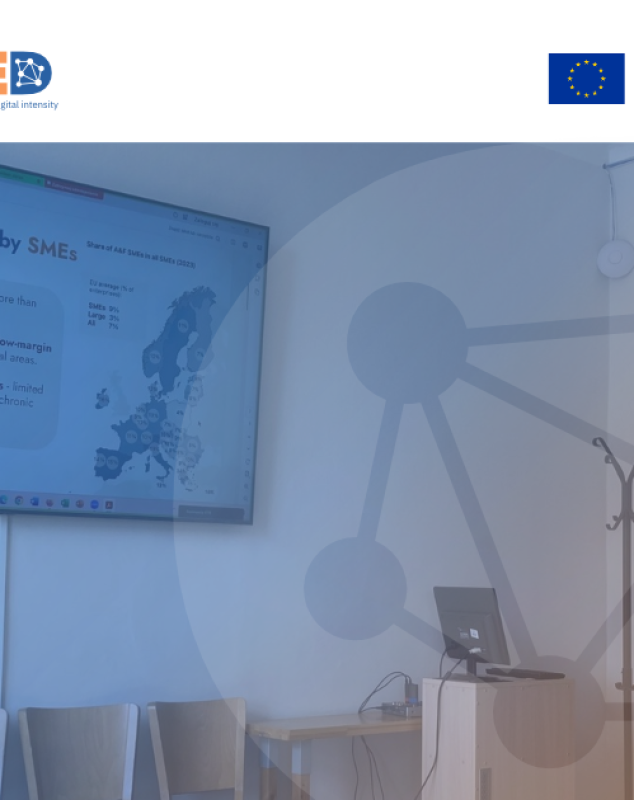
The USMED consortium is moving from the development of sector-specific learning resources towards their practical use. At its transnational meeting in Frankfurt on 21–22 July 2026, partners reviewed the Learning Experiences Catalogue, agreed key platform requirements and planned the next validation and pilot activities.
What USMED has achieved
USMED has developed a Catalogue of 62 Open Educational Resources (OERs) for the Accommodation and Food sector: 35 resources created by project partners, 15 identified among existing European project results and 12 gathered through an Open Call. The materials have been digitalised and translated into English, German, Spanish, Italian, Polish, Romanian and Turkish.
The resources form six pathways across foundation, intermediate and advanced levels. They cover working with digital information, online communication and teamwork, content for guests, digital safety and data protection, problem solving, and AI and smart tools. The pathways build on the project’s research into digital skills gaps and its sector-specific Digital Skills Assessment Tool (DSAT).
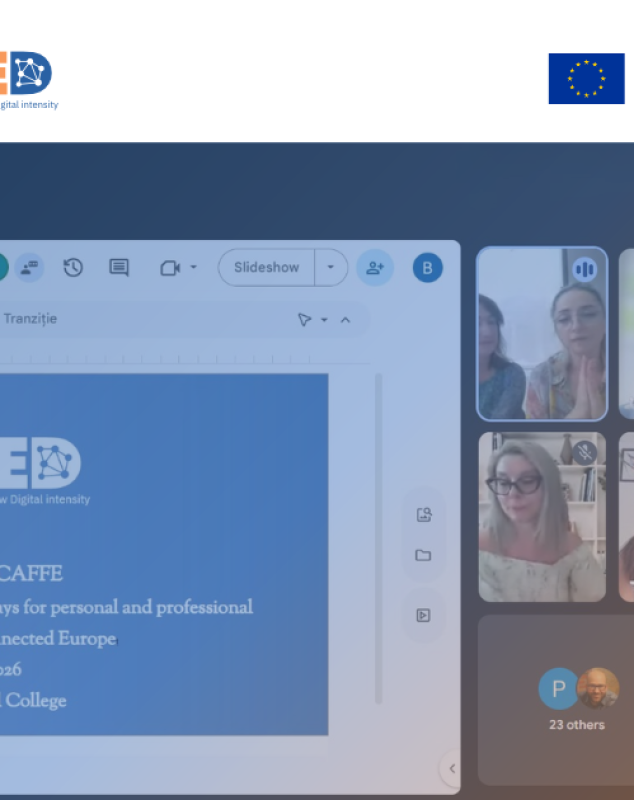
Stakeholders have helped shape this work. At the second USMED Virtual Knowledge Café on 23 June 2026, educators, researchers, VET providers and sector representatives discussed the DSAT and emerging pathways. Romanian teachers and students shared feedback after testing initial learning resources.
What happens next
The consortium is reviewing the pathways and preparing a validation survey on their clarity, relevance and effectiveness, as well as the quality of the OERs. In parallel, it is developing an eLearning platform that will host the Catalogue. A short version of DSAT is planned within the system to suggest a suitable starting pathway, while allowing users to browse all available resources.
A Registration Tool will enable VET providers and teachers to propose further OERs for review and possible inclusion. The planned recognition process will distinguish a PDF certificate following pathway completion from a formal Europass Digital Credential, which would require an explicit request and an assessment of learning outcomes. The technical arrangements and an Implementation Guidebook for VET providers are still being finalised.
Partners are preparing to involve at least 175 early adopters across the seven participating countries, including learners, workers, teachers, trainers and VET providers. The pilot will test the pathways and platform functions, with participant feedback guiding improvements before wider use.
About USMED
Upskilling Workers of SMEs with Low Digital Intensity (USMED) is an Erasmus+ cooperation project coordinated by Lascò in Italy, with partners in Poland, Ireland, Spain, Romania, Germany and Türkiye. It develops practical tools and learning opportunities for digital upskilling in accommodation and food services.
Keep following our progress and upcoming opportunities to participate at www.projectusmed.eu.
Contens
- With 62 learning resources and six tailored pathways developed, the Erasmus+ project is preparing its digital platform and recruiting learners and VET providers for pilot testing.
Share contents
Would you like to receive more information and follow all the results of the project?